
Your trusted source for community news
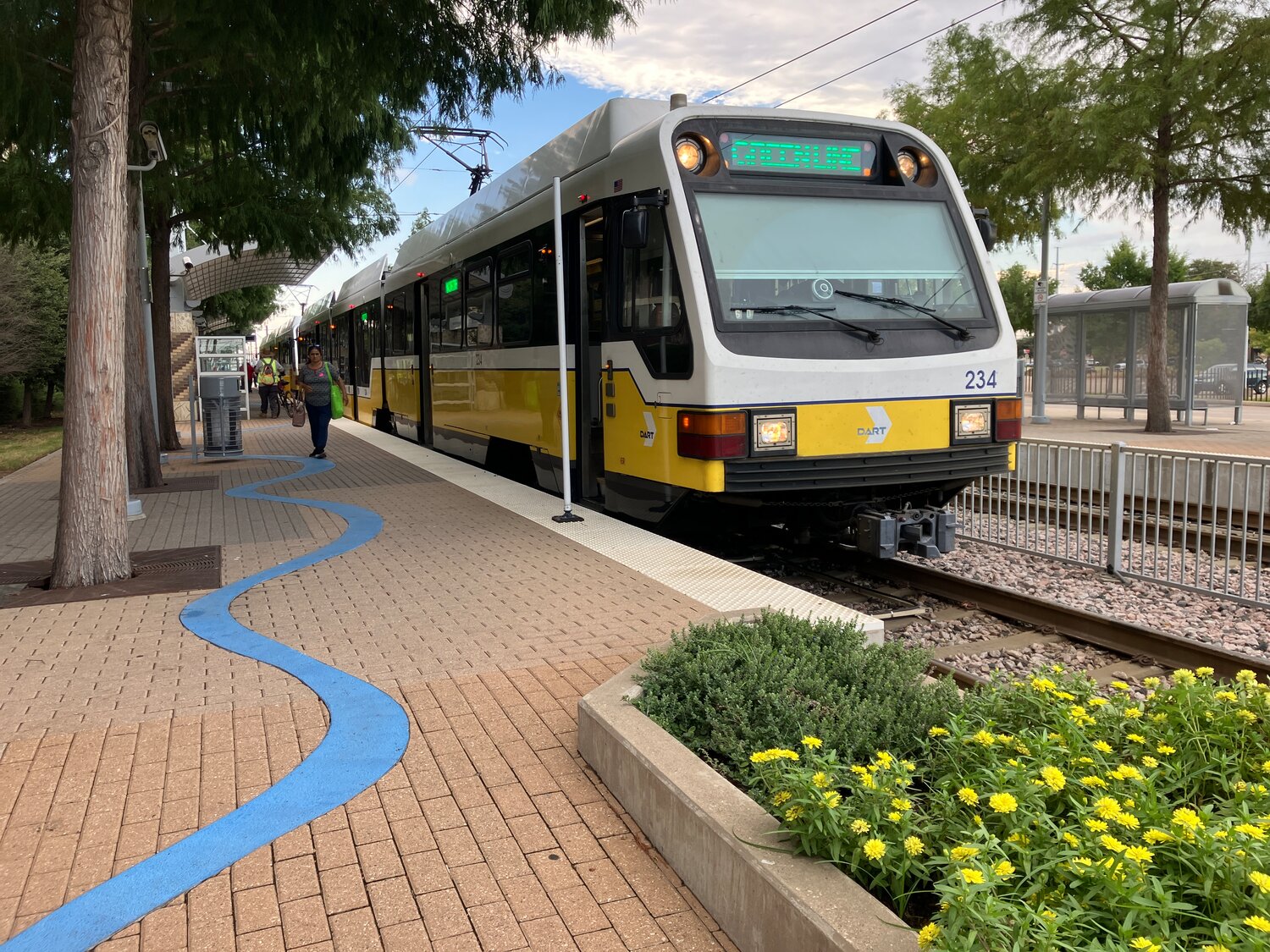



With a special-called meeting to discuss rescinding the May 2026 ballot vote on DART membership looming, Mayor Pro Tem Tina Bennett-Burton sent residents a detailed email Sunday evening dissecting the transit agency’s proposed General Mobility Agreement, a six-year financial agreement that she says offers real money while quietly neutralizing the city’s leverage.
The email presents itself as “clear, factual” information, but a closer review shows it blends verified facts, disputed claims and advocacy. It outlines the proposed six-year funding agreement between Dallas Area Rapid Transit and its member cities and argues the agreement does not meaningfully reduce the city’s long-term financial exposure. However, several claims in the email require clarification, additional context or independent verification.
The message comes at a critical time. The Farmers Branch City Council and the Addison City Council are both scheduled to consider whether to rescind their May 2 election asking voters whether the cities should remain DART members. If either council cancels the election and signs the agreement, the city could receive millions of dollars in new funding for transportation projects. If not, voters will decide in May whether to leave the transit agency.
Bennett-Burton’s analysis zeroes in on what cities surrender by executing the interlocal agreement (ILA) before the April 30 deadline. Signing the agreement locks a city into DART through 2032, a day she notes is set by state transportation code, not the agreement’s stated 2031 end date.
In addition to correctly describing the basic structure of DART’s proposed ILA, the email accurately notes that the agreement includes restrictions on legislative action. Participating cities agree not to pursue legislation that would reduce or impair DART’s 1-cent sales tax during the agreement period except through mutually acceptable collaboration. Cities that violate those terms could lose future funding or be required to repay funds.
Bennett-Burton flags three financial concerns about the agreement’s long-term reliability. Payments scheduled for fiscal years 2028-2031 do not appear in DART’s own 20-year financial plan. Revenue projects assume 3.8% annual sales tax growth, a rate that could slow or reverse in an economic downturn. And while $75 million from the Regional Transportation Council has been approved, it requires a separate agreement through the state legislature to actually flow. The Texas Legislature does not meet until January 2027.
Bennett-Burton also notes that the agreement leaves out four metrics: It contains no service-level metrics, no safety benchmarks, no enforcement mechanism if service deteriorates and no audit of how past costs and debt have been attributed to member cities.
In addition, the email also refers to future debt exposure and a potential bond proposal. The agreement also contains no cap on member cities’ exposure to DART’s planned November 2026 bond referendum, which Bennett-Burton pegs at $2 billion. Under Texas law, DART can independently issue debt because its board, not voters, approves bonds.
However, the email also leaves out what many in Farmers Branch have been questioning: What happens if Farmers Branch withdraws from DART? The Farmers Branch City Council has met in closed executive sessions and only recently brought three options for alternative providers of local transportation to the public on Feb. 16, but residents continue to question the city’s ability to manage public transportation within city limits.
The email also disputes what Bennett-Burton describes as a false rumor that Dallas County could withhold funding from Farmers Branch if the city proceeds with a withdrawal election. Bennett-Burton describes a conversation in which a county official allegedly said the city would receive $1 million for roads and bridges if it rescinded the election.
However, the Branch Herald has not independently verified that conversation, and no public record of such a statement has been produced.
Editor's note: DART is an advertiser with Branch Herald. Branch Herald's editorial independence policy does not allow advertisers to affect editorial content.


